What We Talk About When We Talk About The Sea
A Quick Essay On Some Men Who Are Like The Sea
Joshua Newton
6 min read
By Joshua Newton
What We Talk About When We Talk About The Sea
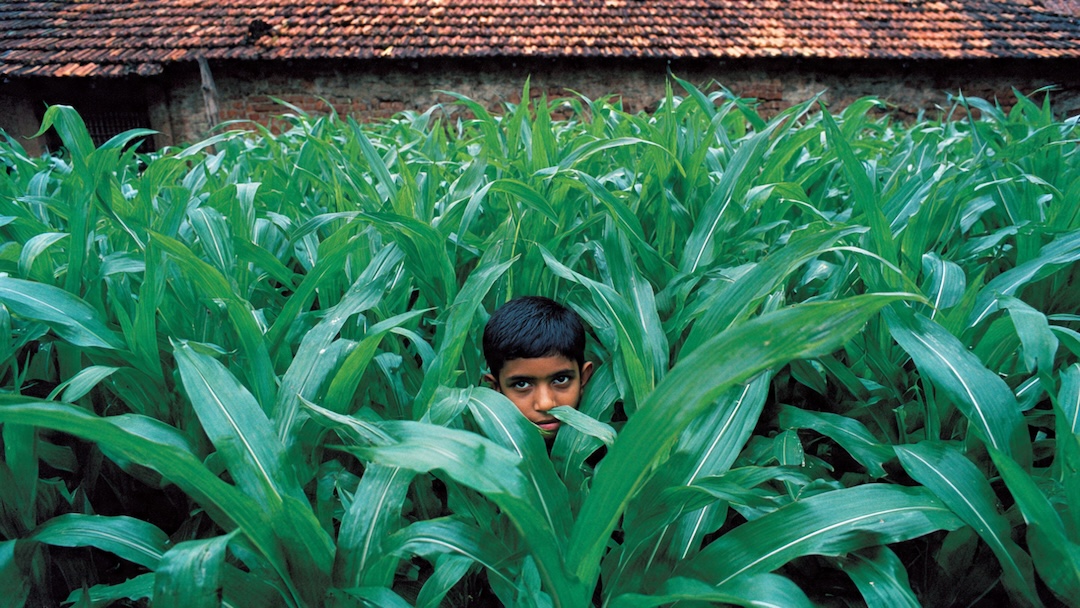
There was a little patch of cornfield my father raised in the front yard of our nondescript rented house at Pareparambu Road, Kochi, back in 1976. Later, I saw it crumble away, lacking water or care after its keeper flew away to make a living. Once a damp, green, leafy hide where I holed up to listen to the rustle and the wind-songs, the flourish died in time.
I saw and I cried because it was my own private la-la Land. Over the years, men of finer feelings saw this town and the surrounding towns crumbling dry with no love to tend them; they were like Sodom or Gomorrah, crumbling.
You should be wondering what I am talking about. You see the rising columns, the sprawling streets, and the vivacious malls in Kerala. But I also see dead people. For those who remember the Malayali of the past, these times make them go bone-dry.
Don't you read the news? You wake up to be told your mother has thrown you down the drain; that a man forced himself on a sad cow; that old and rejected women are eaten away by worms in their damp rooms; that a father has taken his daughter to serve two hundred lustful men; that a son has held his father’s throat in his grip and thrashed his old skull against the wall until there was no more blood in it; that they gave fried rats to the paying travellers who came for lunch; that the guardsmen violated the women they were guarding; that men began to eat anything they found edible, including their neighbours; that many have wilfully turned to stone so they do not need to repent.
As I grew up eating such staple diet in the news, I wanted to flee this land and see the sea taking it. Not because I was too moral for the place, but because I failed to see the real sea in human form. It almost happened in the bizarre way I fancied. As my Emirates flight was in the air on 26 December 2004, the big waves struck. Yes, I was not on earth when the sea struck. I was spared.
Perhaps there was too much wickedness in my wish. Perhaps it was the 'Dawkins Delusion' in me. Then one day, the 'God Gene' hit me. It hit me as I found there were people in this town and the towns around who had a sea within; people who could wash away the weeds in you and help you atone. I was washed for good by them. They were like the sea: deep, giving, holding back their froth, and all the way forgiving; like a sea that cannot be axed into halves or kissed to be tamed.
Humans of Memories
In a land defined by its emerald palms and heavy monsoon rains, a cornfield in 1970s Kochi was more than an anomaly—it was a miracle of the mundane. My father, in a stroke of botanical defiance, planted seeds that didn't belong to the local soil, creating a whispering, green hideout in our Pareparambu Road front yard. It was a patch of 'other world' that hummed with the songs of a wind through my sunny childhood days. Looking back, that cornfield was my first lesson in the metaphysical: that which is nurtured by love can flourish anywhere, and that which is abandoned will crumble, no matter how brightly it once stood against the odds.
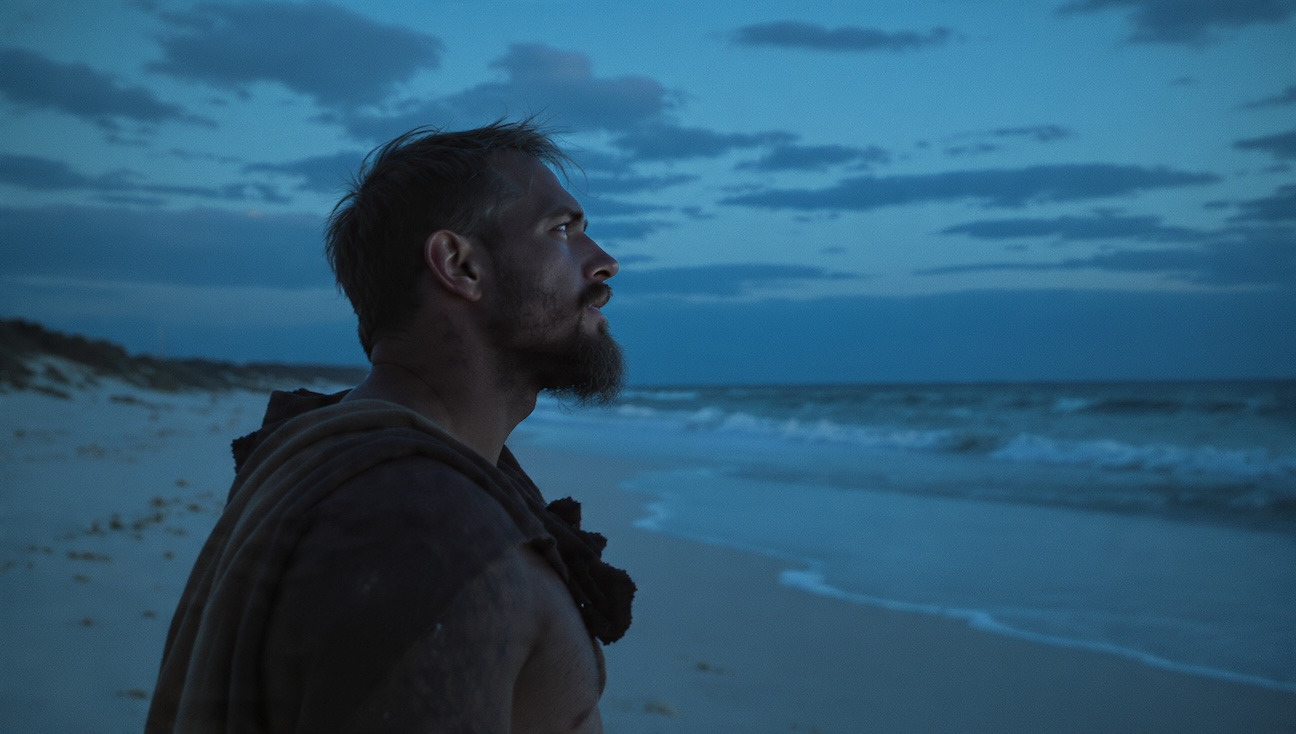
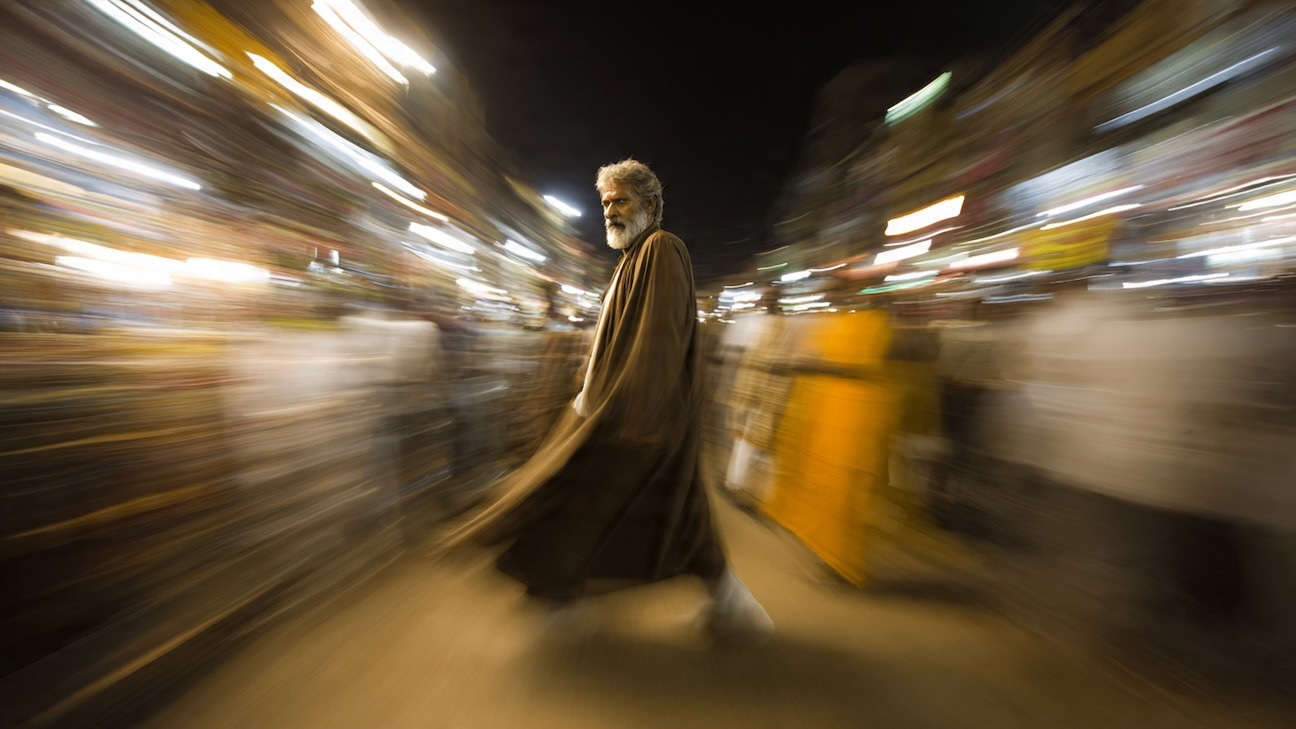
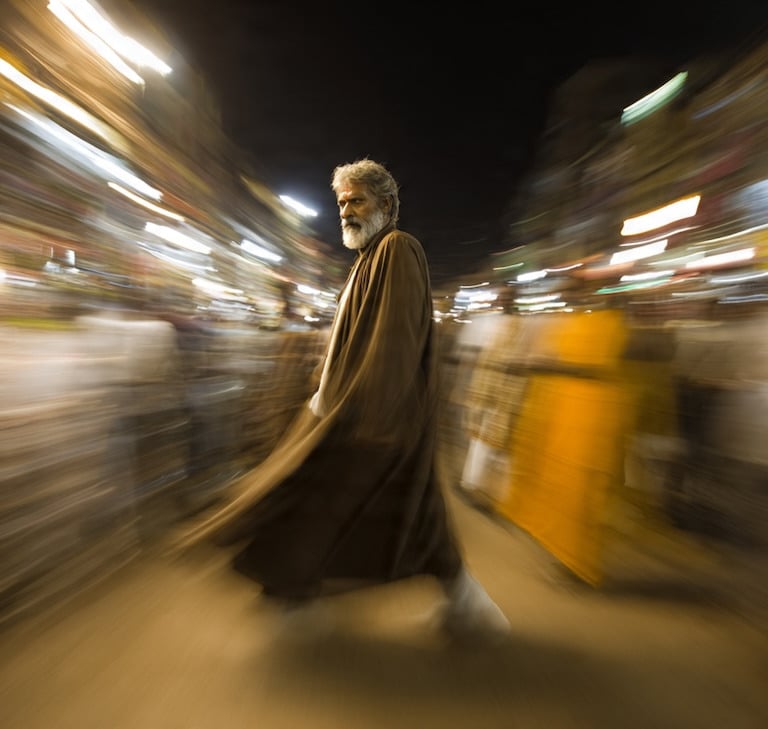
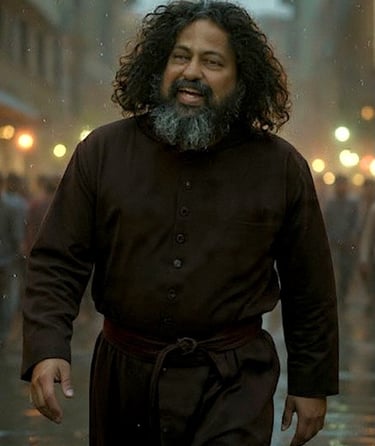
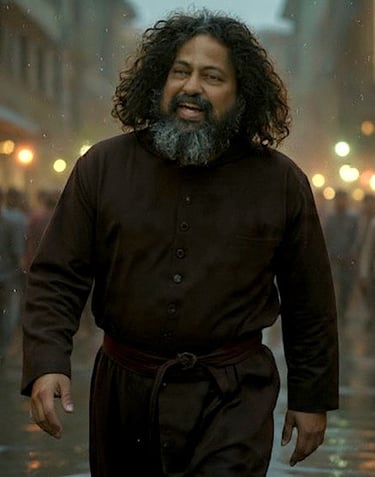
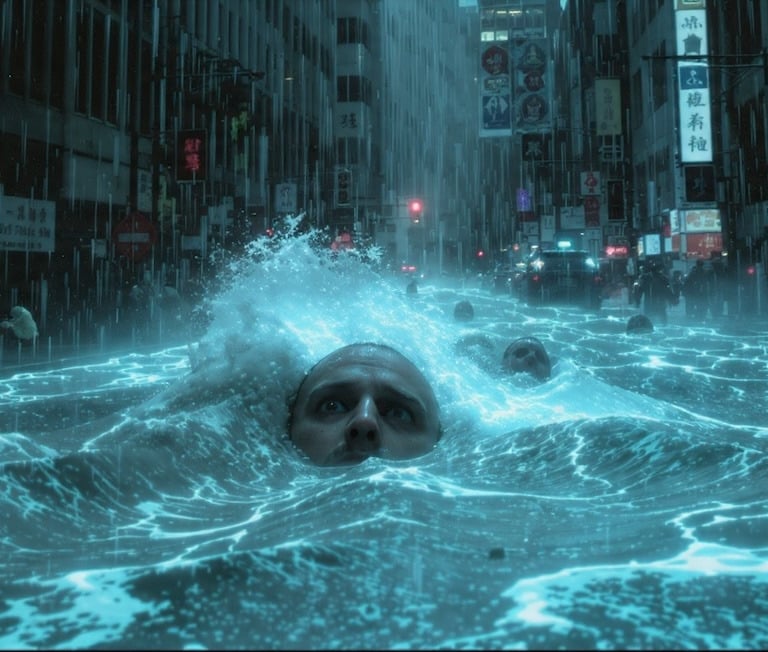
If you wish to meet one man and be changed, this could be the one. And if you wish to see his face so that you'd recognise him on the street another day, here's it below. The figure above? Oh, it's a metaphorical image very representational of his pace, his depth and his loneliness.
People Like Peter Tomy
People like Peter Tomy of Arthungal and Bobby Jose Kattikkad of Kollam. It cannot be a coincidence that both of them lived close to the sea. For, if you haven’t noticed by now, flatlands often make men flat like flannels. They lose their vitality to the angst of traffic jams; their heartbeats to discount sales; their innate hardiness to the touchscreens of their smartphones. Flatlands turn you frail because life here has little storm; no cliffs, no dramatic outcrops. This was why I went to people who lashed out with their daring lives against the banal comfort you and I creep into—beings who stretched what we consider to be the limits of living. They are the ones who taught me that I need not run or fly away from anywhere.
While working on a book, I met Peter Tomy. He lives in a southern coastal town raised on the loose sand by the sea. He looks hard, brown, and sure, but I could also see that he was as white as any angel. Tomy stole toddy from coconut trees. Tomy also loved beedi and arrack and playing cards and fist-fights and willing women. Tomy was a punching bag for the police. He had several cases in his name, including a 307.
That one did him in, though. His mother-in-law, whom he stabbed, pardoned him. Tomy—five-feet-something, short and stocky, Tomy, verily a slice of sea—taught me that a man could take all the embers the world poured on him and still not wither; that he could still learn to hug; that one could, like the Shawshank Redemption man, creep through a mile-long s**t-hole and come out clean on the other side. I call him Tomy hill-figure.
A Man of Others..
The only deterrent I saw in Bobby Jose Kattikkad is that he is a servant of the church. Though a priest, Bobby comes straight from Nazareth’s hillocks. A forthright ‘man of others’ in the Bonhoefferian sense. When you read Bonhoeffer and come across ideas like God’s way of being 'beyond' is to be found in the midst of our life, in the middle of the village, you do not realise you are reading about the deep and un-axed seas within man.
Father Bobby is one such man who lives ‘unreservedly in life’s successes, failures, and perplexities.’ I asked him when he takes rest. He said he could sleep for days together—because he hardly does. A giant of a man, weighing as much as two and tall like a boat mast, Father Bobby walks our towns and villages in a large, brown Franciscan cassock, offering pure grace. If you wish to meet one man and be changed, this could be the one.
His prose stands a cut above the works of all living writers in Malayalam. He loves harder than all the lovers on this land. He storms around, hugs freely, blesses and kneels, and weeps away what he bears from others. In a small room of the San Pio Capuchin Retreat Centre at Kollam, Father Bobby lives like a sea of love.
But to see what is in these men, you need to see the sea first. She surrounds you. She is a sighing being, a belly of jelly that joggles inside your earth. She sends her fruits for you to feed on. She lies quieter than you are, contained.
Someday, she will come to take you and your towns. Now I know that it suits us all. The stone hearts among us would get the wash we deserve. But these ones who hold the sea within have turned life into a phenomenon. They have proved that we could be far deeper than any sea.
By now, you should know that I was not talking about the sea at all.
Though a priest, Bobby comes straight from Nazareth’s hillocks. A forthright ‘man of others’ in the Bonhoefferian sense.
Tomy lives in a southern coastal town raised on the loose sand by the sea. He looks hard, brown, and sure, but I could also see that he was as white as any angel. (By the way, have you seen any black angel ever?)

This piece was first published in The Times of India