A Life Spent Lowering the Noise
A profile of Adrian Zecha, the legendary founder of Aman Resorts
Joshua Newton
3 min read
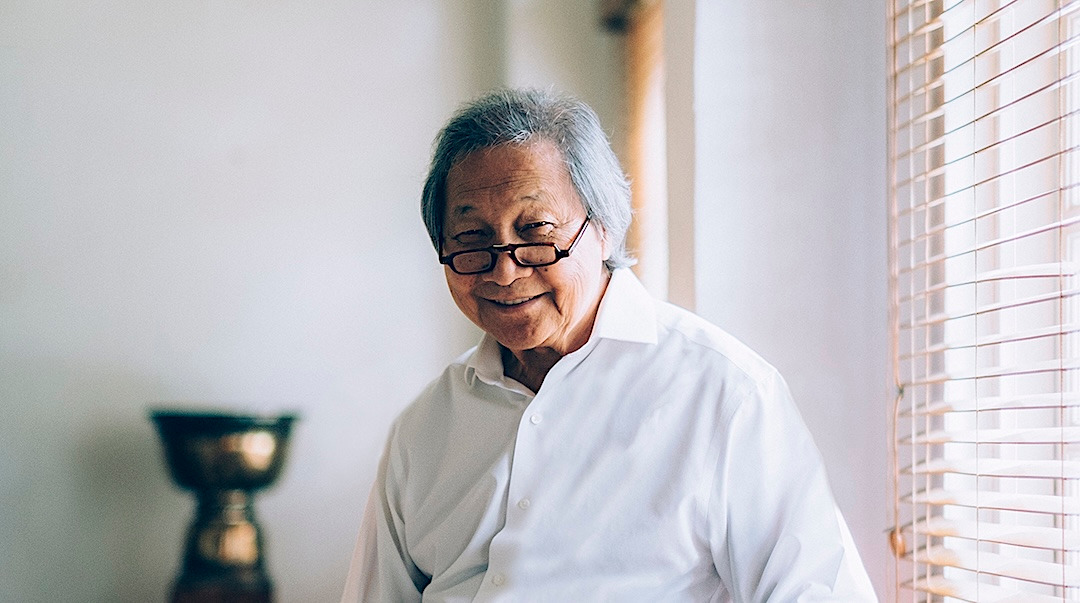
A Life Spent Lowering the Noise
He does not appear in public often. No public mythology surrounds him in the usual way. Yet his influence is precise and enduring. Others have copied the surfaces, the muted palettes, the low lines. Few have grasped the principle beneath. That true luxury lies not in what is added, but in what is refused. And so his work remains, quiet and exacting, like a held breath that never quite releases.
He enters a room the way certain places do, by not announcing himself.
Adrian Zecha has always worked by removal. Born in Indonesia, shaped by years that moved through Hong Kong, New York, and Europe, he learned early that presence can be excessive. The world, in its louder registers, tends to insist. He preferred what remained when insistence fell away.
Before hotels, there was the discipline of publishing. Editing, commissioning, the quiet authority of exclusion. He worked with words, but more importantly, with silence between them. It is not difficult to see how this translated into space. When he founded Aman Resorts in 1988, beginning with Amanpuri, the gesture was not expansion but reduction. Fewer rooms than expected. Larger distances between them. Staff trained not to anticipate every need, but to remain available without intrusion.
The early properties did not declare a style. They withdrew from style. Each one listened to its ground. In Thailand, pavilions opened to sea and sky with a kind of deliberate understatement. In Indonesia, materials followed older traditions, wood and stone used without gloss. In Italy or France, the architecture leaned into history rather than competing with it. Nothing was standardised. The refusal of repetition became the only constant.
He once remarked that he built for people like himself. It was not exclusivity in the usual sense. It was specificity. A narrow but exacting audience. Travellers who preferred space to spectacle, discretion to display. Those who did not need to be impressed, only allowed. This constraint shaped everything. Even the economics. Fewer keys meant higher cost, but also greater clarity of experience. The model resisted scale. It insisted on attention.
There is a precision in how these places unfold. Arrival is never theatrical. Movement through the property reveals rather than announces. Light is controlled, but not manipulated. Materials age without correction. One begins to sense a different tempo. Time slows, but not artificially. It simply loses friction.
His influence has spread widely, though often misunderstood. Many have borrowed the surfaces. Pale stone, clean lines, a certain restraint of palette. But the deeper principle is harder to replicate. It requires discipline. To leave things out. To trust that absence can hold value. To resist the impulse to fill every corner with meaning or function.
He has remained largely outside the machinery of personal branding. No overt mythology, no insistence on authorship. The work stands, then recedes into the lives of those who pass through it. This anonymity is not accidental. It is consistent with the idea that the maker should not overshadow the made.
In the end, his legacy is not a chain of hotels, but a recalibration of expectation. A reminder that luxury, stripped to its core, is not accumulation but clarity. Not abundance, but proportion.
And perhaps most of all, a quiet argument that the finest spaces are those that allow us to hear what remains when everything unnecessary has been set aside.
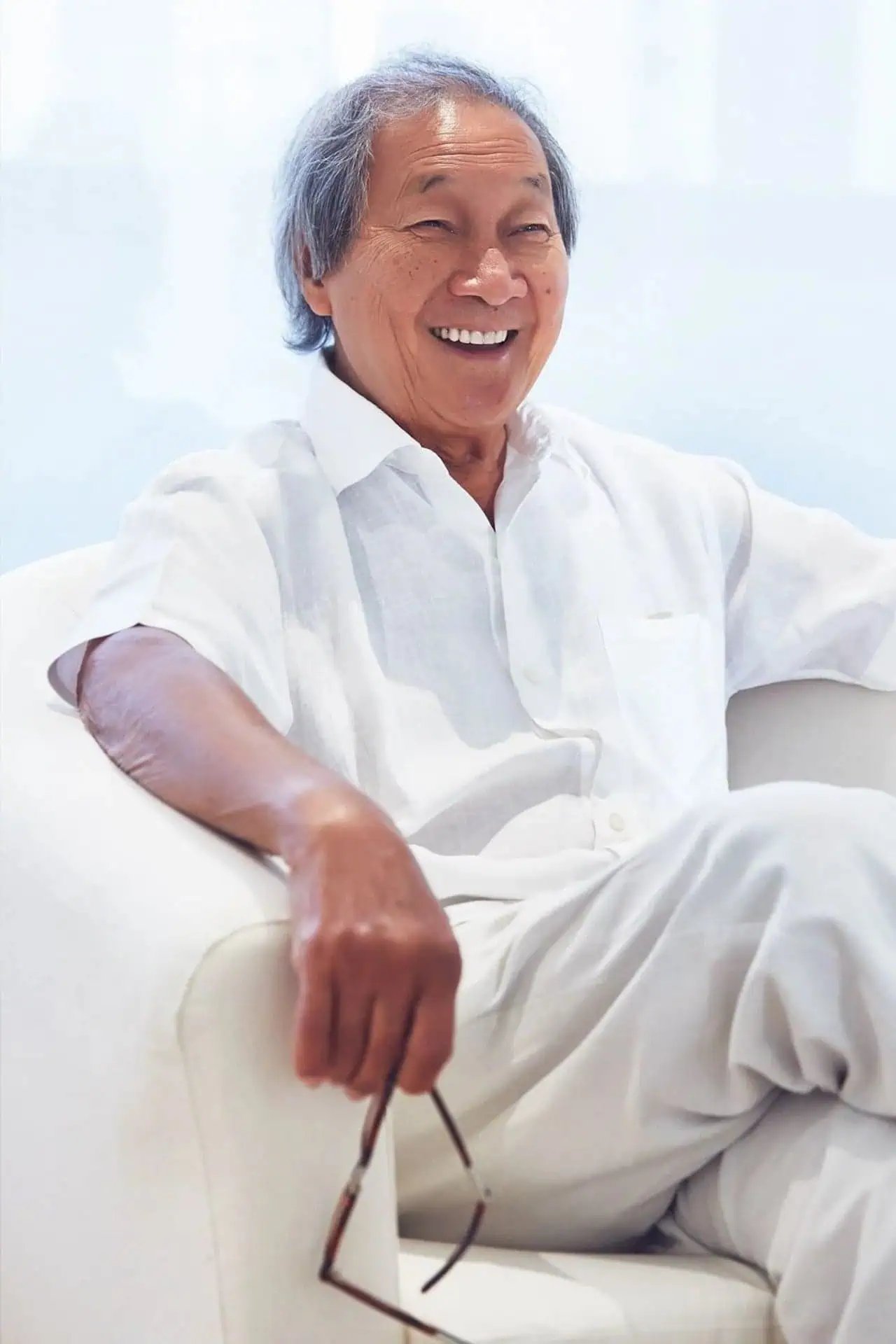
Profile / Adrian Zecha / Aman / Azerai
He once said he built for people like himself. The remark sounds simple, but it contains a method. A refusal to generalise. Each property distinct, almost solitary in its temperament. No repetition. No template. Only a continuous act of listening to site, to climate, to memory.