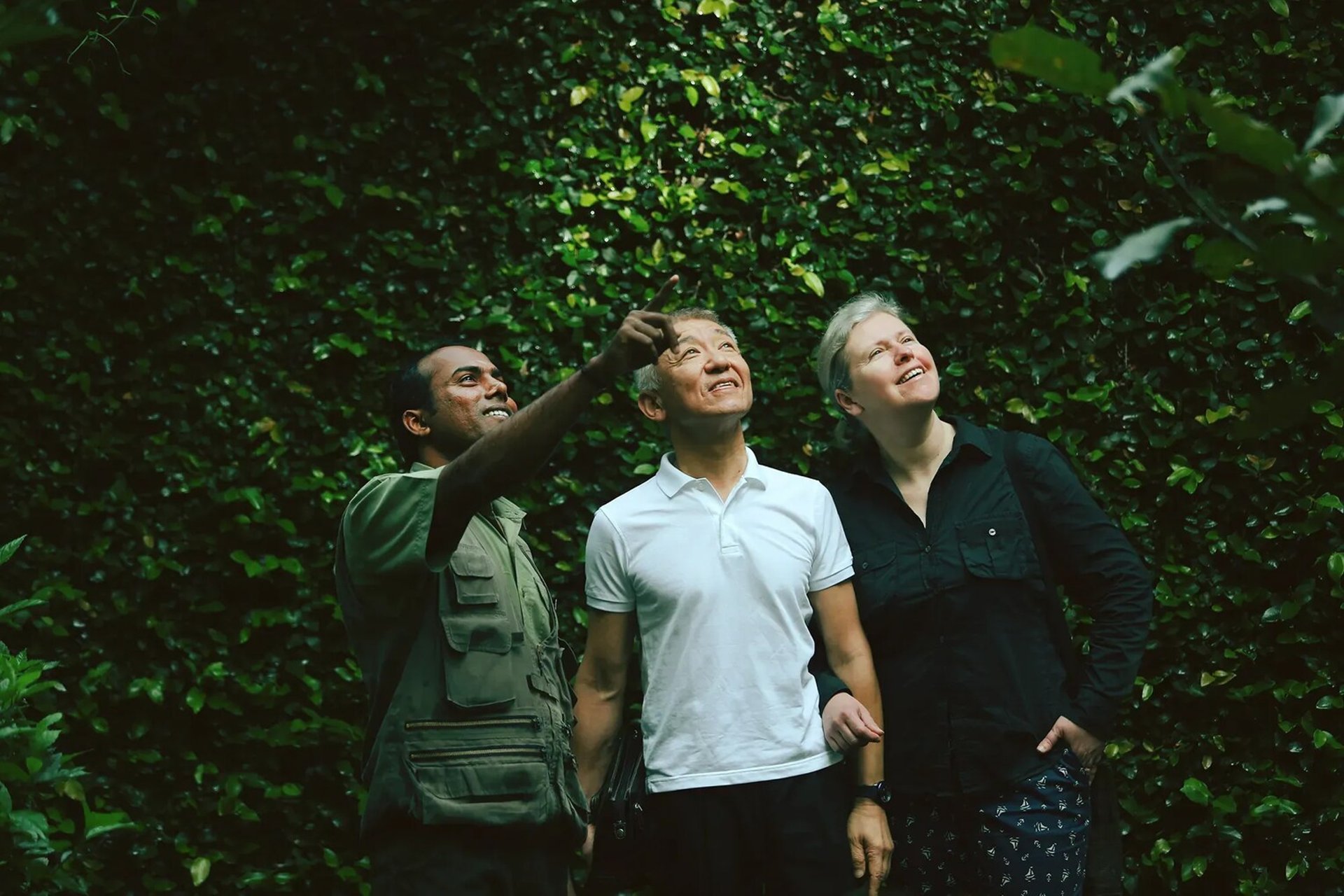
The Modesty of Form, the Precision of Place
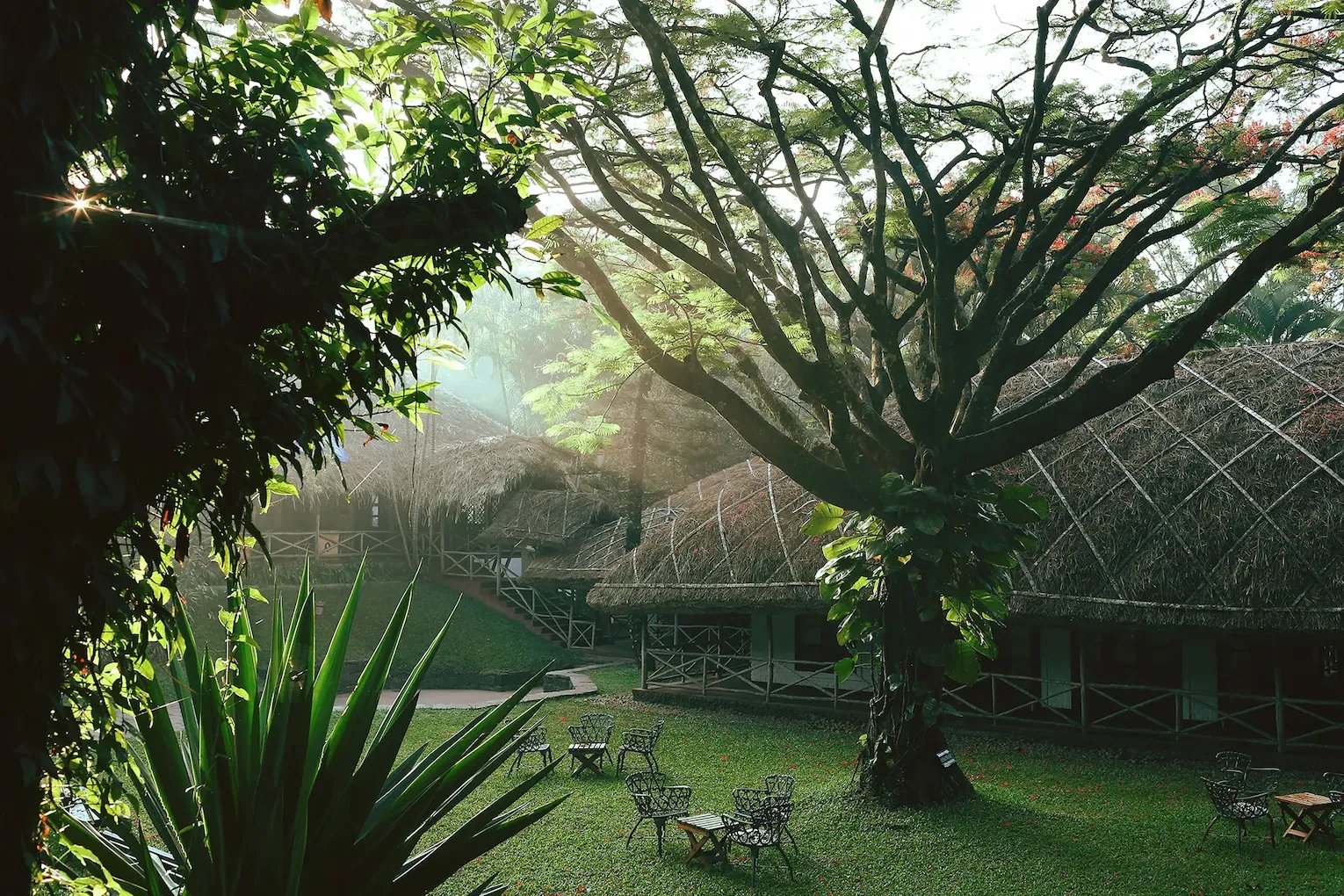
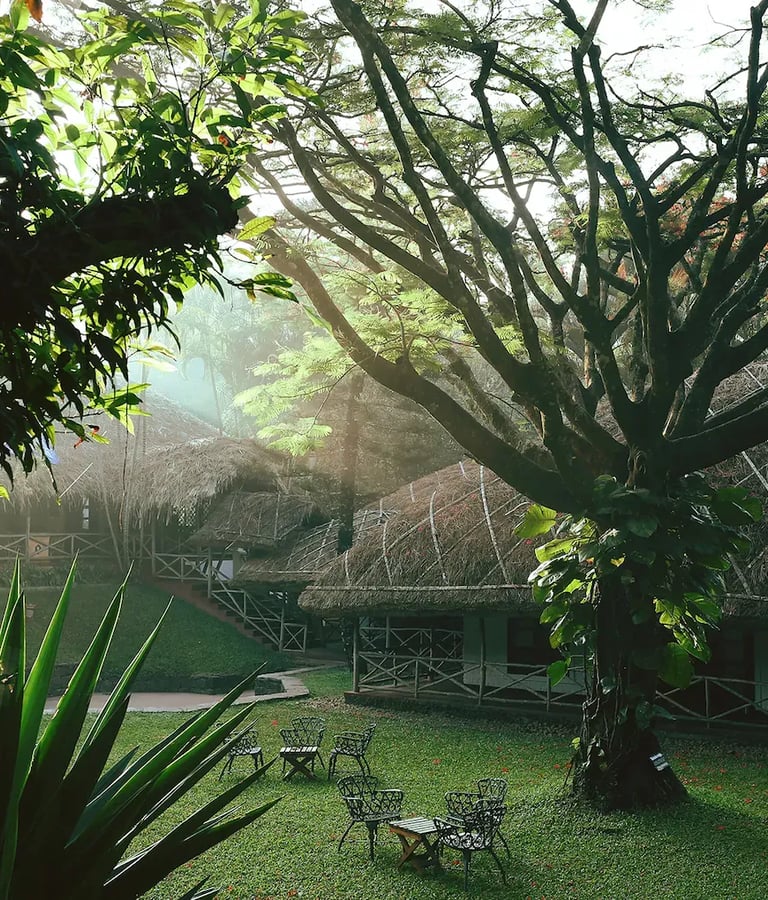
At the Spice Village in Thekkady, the cottages stand lightly, not as objects, but as pauses in the land.
Joshua Newton
2 min read
By Joshua Newton
The Modesty of Form, the Precision of Place
Spice Village does not declare itself. It withdraws. One turns off the known path and enters a quieter grammar of place, where the wind moves without urgency and the trees do not perform. There is a scent here that arrives before sight. Cardamom, faint at first, then more assured, like a thought returning after years of absence.
The cottages appear as if recalled rather than built. Low roofs. Earth-toned walls. They seem less constructed than allowed. A settlement that has agreed with the forest on terms of mutual discretion. Nothing rises too high. Nothing gleams. The ground holds everything close.
The huts seem to have grown out of the soil rather than been placed upon it.
The design follows no architect’s signature, only memory. Each cottage borrows its form from the dwellings of the Mannan tribe, low and circular in intent if not always in geometry, shaped by climate and habit rather than display. Roofs are thick with elephant grass, hand-laid in a traditional weave that breathes, cools, and slowly weathers into the colour of dry earth. Walls hold the quiet labour of older methods. Brick and timber, sometimes wattle and daub, clay pressed into form with a patience modern construction has forgotten. Nothing shines. Surfaces absorb light instead of reflecting it. Even the angles feel softened, as if the building has learned from the forest how not to interrupt.
Inside, the rooms resist excess. Pine furniture, often fashioned from reclaimed wood, carries a faint memory of previous use. Beds are simple, low, almost provisional. Light enters carefully, filtered through small windows and shaded eaves. There is no glare. Only a steady, usable glow. One sits, and the room does not insist on being noticed.
Each cottage opens to a veranda that looks not outwards but into growth. Fruit trees, herb beds, the quiet industry of leaves. A bench waits, unoccupied, as if it has been expecting you for years. The village is arranged as a scattering rather than a plan. Fifty-two cottages, each at a slight remove from the other, separated by paths that curve and hesitate. No straight lines demand obedience. Walking here becomes a form of listening.
Gardens are not ornamental. They are working, breathing spaces. Pepper vines climb without discipline. Medicinal plants hold their small, specific purposes. Vegetable patches feed the kitchen. Compost returns what is taken. The idea of landscaping dissolves into something older. Cultivation without domination.
Nothing in the architecture calls attention to itself, yet everything remains precise. The roofs cool the rooms without machinery. The walls hold temperature without complaint. The materials return, eventually, to where they came from.
One begins to understand that the design is not about shelter alone. It is about agreement. Between structure and climate. Between human need and forest patience. And so the huts stand lightly. Not as objects, but as pauses in the land.
Spice Village / Cottage Resorts
Morning arrives not with light, but with a soft rearrangement of air. The forest exhales. Mist lifts in thin layers. The scent of spice is gentler now, almost withdrawn, as if aware of departure. Birds resume their brief, deliberate calls. The day does not begin. It unfolds.